
Achieving Perfect Floor Levelling Results
- interservdirect
- Oct 6, 2025
- 5 min read
Achieving perfect floor levelling results is essential for any construction or renovation project. A level floor ensures structural integrity, enhances the aesthetic appeal, and provides a safe, durable surface for flooring installation. I understand the importance of precision and efficiency in this process, and I am here to guide you through the best practices, techniques, and solutions that guarantee flawless floor levelling every time. Whether you are working on a large commercial site or a small residential renovation, mastering the art of floor levelling is non-negotiable.
Understanding the Importance of Perfect Floor Levelling
Perfect floor levelling is the foundation of any successful flooring project. Uneven floors cause a host of problems, from cracked tiles and warped floorboards to tripping hazards and premature wear. I emphasize that achieving a perfectly level floor is not just about aesthetics; it is about ensuring longevity and safety. When floors are level, the installation of tiles, carpets, vinyl, or hardwood becomes straightforward, and the finished surface looks professional and polished.
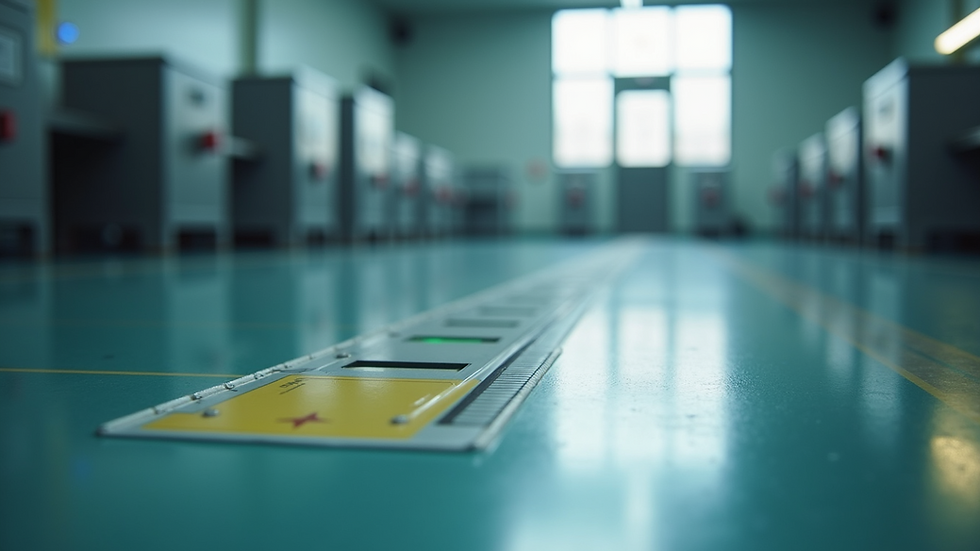
To achieve this, I always start by assessing the existing floor condition. This involves measuring the floor’s flatness using laser levels or spirit levels to identify high and low spots. Once I have a clear understanding of the floor’s profile, I can decide on the best levelling method. This initial step is crucial because it informs the choice of materials and techniques, ensuring the levelling process is both effective and efficient.
Techniques for Perfect Floor Levelling
Achieving perfect floor levelling requires a combination of the right tools, materials, and techniques. I rely on a systematic approach that includes preparation, application, and finishing stages. Preparation involves cleaning the floor thoroughly, removing debris, dust, and any loose materials that could interfere with adhesion. I also repair any cracks or holes to create a stable base.
Next, I select the appropriate levelling compound. For most projects, self-levelling compounds are ideal because they flow easily and settle into a smooth, even surface. These compounds are designed to fill low spots and create a uniform surface without excessive manual effort. I mix the compound according to the manufacturer’s instructions, ensuring the right consistency for optimal flow and curing.
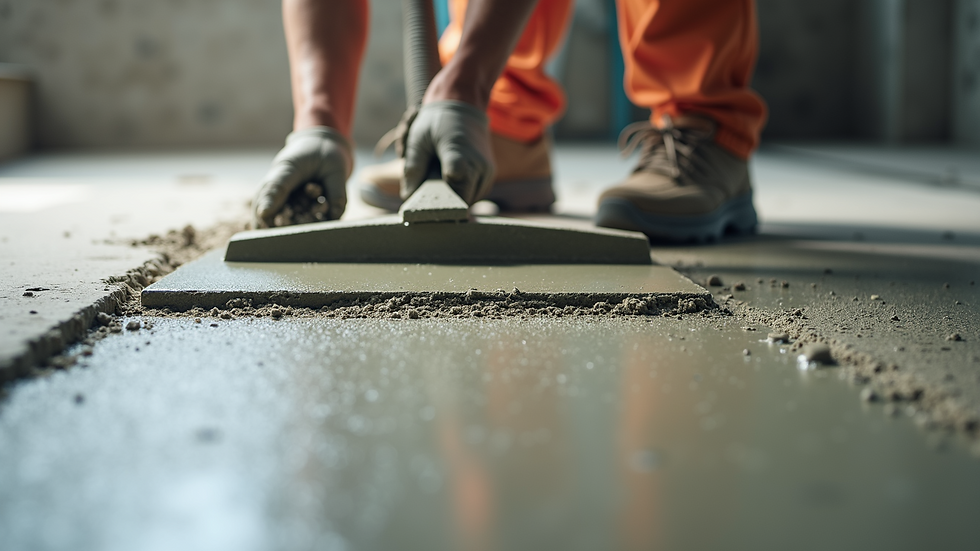
Application is where precision matters most. I pour the compound onto the floor and use a gauge rake or trowel to spread it evenly. The compound naturally seeks its level, but I assist by guiding it into corners and edges. Timing is critical; I work efficiently to apply the compound before it begins to set. After application, I allow the floor to cure fully, which can take anywhere from a few hours to a day depending on the product and environmental conditions.

What is the Cheapest Way to Level a Floor?
When cost is a major consideration, I recommend a few practical strategies to achieve floor levelling without breaking the budget. The cheapest way to level a floor often involves using traditional methods such as patching low spots with a cement-based screed or using a self-levelling compound selectively on problem areas rather than the entire floor.
One cost-effective approach is to combine manual grinding or sanding of high spots with filling low areas using a levelling compound. This reduces the amount of compound needed and minimizes material costs. Additionally, sourcing quality but affordable levelling compounds and doing the preparation work yourself can significantly cut expenses.
However, I caution that while cheap methods can work for minor unevenness, they may not deliver the durability and finish required for high-traffic or commercial spaces. Investing in professional-grade materials and techniques, or engaging expert floor levelling services, often saves money in the long run by preventing costly repairs and rework.
Choosing the Right Materials for Long-Lasting Results
Selecting the right materials is critical to achieving perfect floor levelling results that last. I always prioritize materials that offer excellent adhesion, durability, and compatibility with the final floor covering. Self-levelling compounds based on cement or gypsum are popular choices, each with specific advantages.
Cement-based compounds are robust and suitable for areas exposed to moisture or heavy loads. They cure quickly and provide a strong base for tiles, stone, or timber flooring. Gypsum-based compounds offer a smoother finish and are ideal for interior floors where rapid drying is essential. However, they are less resistant to moisture and require proper sealing.
In addition to the levelling compound, I use primers to enhance adhesion and prevent moisture issues. Primers prepare the substrate by sealing porous surfaces and improving the bond between the floor and the levelling material. Skipping this step can lead to delamination and uneven surfaces.
For large projects, liquid screed technology is a game-changer. It flows easily, sets quickly, and creates a perfectly level surface with minimal effort. This technology is increasingly popular among builders and renovators who demand efficiency and quality.
Ensuring Precision with Professional Floor Levelling Services
While DIY floor levelling is possible, I strongly recommend considering professional floor levelling services for complex or large-scale projects. Professionals bring expertise, specialised equipment, and advanced materials that guarantee precision and durability.
Professional services use laser-guided equipment to ensure absolute flatness and consistency across the entire floor. They also have access to premium levelling compounds and liquid screed solutions that outperform standard products. This level of precision is crucial for commercial buildings, warehouses, and high-end residential projects where floor performance is critical.
Moreover, engaging experts saves time and reduces the risk of errors that can lead to costly repairs. Professionals understand the nuances of different substrates, environmental conditions, and flooring types, tailoring their approach to each project’s unique requirements.
Final Steps to Maintain Perfect Floor Levelling
Achieving perfect floor levelling is only part of the process; maintaining that level surface is equally important. After the levelling compound cures, I recommend protecting the floor from heavy traffic, moisture, and temperature fluctuations during the initial days. This ensures the compound sets properly and retains its integrity.
Regular inspections and maintenance help identify any signs of wear or damage early. For example, small cracks or chips should be repaired promptly to prevent further deterioration. When installing the final floor covering, I ensure it is compatible with the levelling compound and that installation follows best practices to avoid compromising the level surface.
In summary, perfect floor levelling results come from meticulous preparation, the right materials, precise application, and ongoing care. By following these principles, you can achieve floors that are not only level but also durable, safe, and visually appealing, meeting the highest standards of construction excellence.

Achieving perfect floor levelling is a critical step that sets the foundation for successful construction and renovation projects. By applying the techniques and insights shared here, you can ensure your floors meet the highest standards of quality and performance, supporting the long-term success of your builds.


Comments